Last Updated: March 2026 | Reading Time: 10 minutes
When shipping or storing moisture-sensitive equipment—especially military hardware, aerospace components, electronics, or precision machinery—standard packaging simply isn't enough. Even small amounts of humidity can cause devastating corrosion, oxidation, and equipment failure that costs thousands or even millions of dollars in damage and downtime.
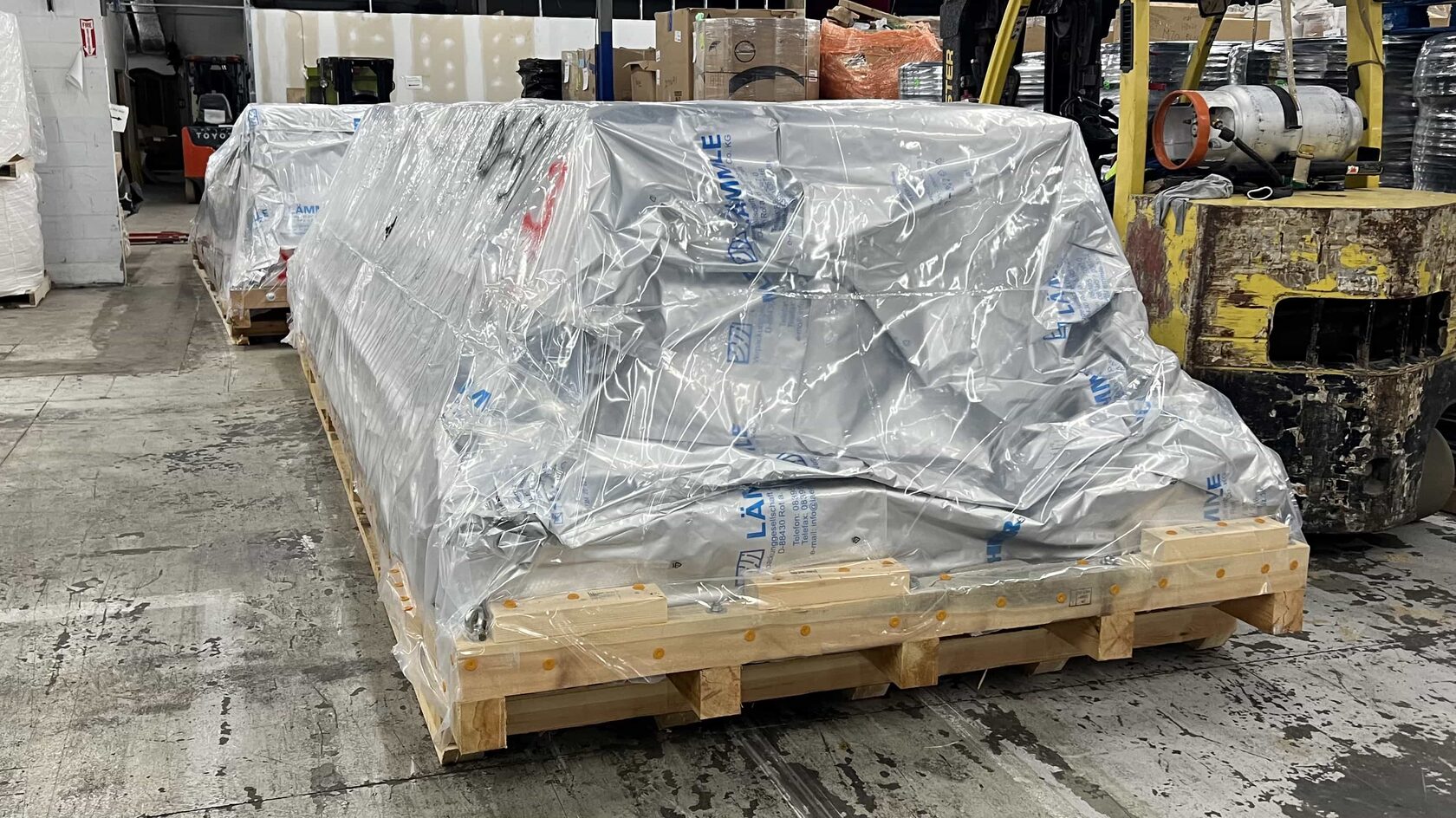
This is where MIL-PRF-131 Class 1 vacuum sealed barrier bags come in. These military-specification moisture barrier bags are engineered to provide maximum protection against humidity, corrosion, and environmental contamination during long-term storage and international shipping.
But what exactly is MIL-PRF-131? What makes Class 1 barrier bags different from standard packaging? When should you use them, and for what types of equipment?
In this comprehensive guide, we'll break down everything you need to know about MIL-PRF-131 Class 1 vacuum barrier bags—from the technical specifications and military standards to real-world applications and how to properly use them for maximum protection.
Whether you're shipping aircraft components, storing sensitive electronics, or packaging military equipment for overseas deployment, understanding MIL-PRF-131 barrier bags is critical to preventing costly moisture damage.
What is MIL-PRF-131?
MIL-PRF-131 is a United States Department of Defense (DoD) Performance Specification that defines requirements for flexible barrier materials used to protect military equipment and supplies from moisture, corrosion, and environmental contamination during storage and shipment.
Breaking Down the Name
MIL = Military PRF = Performance Specification (replaced old "MIL-B" designation) 131 = Specification number for barrier materials
Full Official Title: "Performance Specification: Barrier Materials, Flexible, Heat Sealable"
What It Covers
MIL-PRF-131 establishes strict requirements for:
- Material composition (multi-layer laminated films)
- Barrier properties (moisture vapor transmission rates)
- Physical characteristics (tensile strength, puncture resistance)
- Heat sealability (creating airtight seals)
- Chemical resistance
- Testing procedures (quality control standards)
- Performance requirements (how well they protect contents)
Why Military Specifications Matter
Military specs aren't just guidelines—they're enforceable performance standards. Products claiming MIL-PRF-131 compliance must:
- Meet or exceed all specification requirements
- Undergo rigorous testing and certification
- Provide documented proof of compliance
- Maintain consistent quality across all production batches
In other words: MIL-PRF-131 certified barrier bags aren't "military-style" or "military-grade" marketing fluff—they're actual military specification products that have been tested and verified to protect equipment in the harshest conditions.
Understanding MIL-PRF-131 Classes
MIL-PRF-131 defines three classes of barrier bags, each designed for different levels of protection and applications:
Class 1: Maximum Protection (Most Common)
Material: Multi-layer laminate including aluminum foil
Protection Level: Highest moisture barrier protection available
Typical Construction:
- Outer layer: Polyester (provides strength and puncture resistance)
- Middle layer: Aluminum foil (creates impermeable moisture barrier)
- Inner layer: Polyethylene (heat-sealable, chemical resistant)
Moisture Vapor Transmission Rate (MVTR):
- Maximum: 0.06 g/100 in²/24 hours @ 100°F, 90% RH
- Translation: Virtually impermeable to moisture
Best For:
- Long-term storage (5+ years)
- Extremely moisture-sensitive equipment
- Harsh environmental conditions
- Overseas shipments with exposure to tropical climates
- Military and aerospace applications
- Electronics with sensitive circuits
Common Applications:
- Aircraft components and avionics
- Military weapons systems
- Precision electronics
- Optical equipment
- Ammunition and explosives
- Medical devices
- Computer systems
Class 2: Moderate Protection
Material: Multi-layer laminate WITHOUT aluminum foil
Protection Level: Moderate moisture barrier
Typical Construction:
- Outer layer: Polyester or nylon
- Middle layer: Metalized film (aluminum coating, not foil)
- Inner layer: Polyethylene
Moisture Vapor Transmission Rate (MVTR):
- Maximum: 0.18 g/100 in²/24 hours @ 100°F, 90% RH
Best For:
- Medium-term storage (1-5 years)
- Moderately moisture-sensitive items
- Cost-sensitive applications
- Domestic shipping
Why Choose Class 2:
- Less expensive than Class 1
- Lighter weight
- Still provides good protection
- Suitable when extreme conditions unlikely
Class 3: Basic Protection (Rarely Used)
Material: Single-layer polyethylene
Protection Level: Basic moisture resistance
Moisture Vapor Transmission Rate (MVTR):
- Maximum: 0.60 g/100 in²/24 hours @ 100°F, 90% RH
Best For:
- Short-term storage (under 1 year)
- Low-sensitivity items
- Budget applications
- Temporary protection
Note: Class 3 is rarely used for serious corrosion prevention. Most applications requiring MIL-PRF-131 protection use Class 1 or Class 2.
Class Comparison Summary
For most critical applications, Class 1 is the gold standard.
How MIL-PRF-131 Class 1 Barrier Bags Work
Understanding the science behind these bags helps you use them correctly and appreciate why they're so effective.
Multi-Layer Barrier System
Layer 1: Outer Polyester
- Purpose: Mechanical protection
- Provides: Puncture resistance, tear strength, abrasion protection
- Protects against: Physical damage during handling and shipping
Layer 2: Aluminum Foil
- Purpose: Moisture barrier
- Provides: Impermeable barrier to water vapor and oxygen
- Protects against: Humidity, condensation, corrosion, oxidation
- Key fact: Aluminum atoms are too tightly packed for water molecules to pass through
Layer 3: Inner Polyethylene
- Purpose: Heat sealability and chemical resistance
- Provides: Airtight seals when heated, chemical compatibility
- Protects against: Chemical reactions, seal failures
Vacuum Sealing Process
Step 1: Equipment Preparation
- Clean and dry equipment thoroughly
- Add desiccants (moisture absorbers)
- Add VCI (Vapor Corrosion Inhibitor) if needed
- Include humidity indicator cards
Step 2: Bag Insertion
- Place equipment inside barrier bag
- Ensure adequate space around equipment
- Position desiccants strategically
Step 3: Air Evacuation
- Use vacuum sealer to remove air
- Creates negative pressure inside bag
- Eliminates oxygen and moisture
Step 4: Heat Sealing
- Heat seal bag opening (typically 250-350°F)
- Creates permanent, airtight seal
- Multiple seal passes for reliability
Step 5: Verification
- Check seal integrity
- Verify vacuum maintained
- Label with date and contents
Why Vacuum Sealing Matters
Without Vacuum:
- Air contains moisture (humidity)
- Oxygen causes oxidation
- Temperature changes cause condensation
With Vacuum:
- Moisture removed before sealing
- Oxygen eliminated (prevents oxidation)
- No air = no condensation from temperature fluctuations
- Desiccants absorb any residual moisture
Result: Equipment stored in stable, dry environment regardless of external conditions.
Key Specifications & Technical Details
Material Thickness
Class 1 Typical Construction:
- Total thickness: 4-6 mil (0.004-0.006 inches)
- Polyester layer: 0.5 mil
- Aluminum foil: 0.35-0.5 mil
- Polyethylene layer: 2-3 mil
Why Thickness Matters:
- Thicker = better puncture resistance
- Thicker = better barrier properties
- Thicker = more expensive
- Standard 4 mil adequate for most applications
- 6 mil for rough handling or sharp edges
Moisture Vapor Transmission Rate (MVTR)
Class 1 Maximum: 0.06 g/100 in²/24 hours @ 100°F, 90% RH
What This Means: At 100°F and 90% relative humidity, less than 0.06 grams of moisture can pass through 100 square inches of material in 24 hours.
Real-World Translation: A typical barrier bag allows less than 0.1 grams (few drops) of moisture per year.
Comparison:
- MIL-PRF-131 Class 1: 0.06 MVTR (excellent)
- Standard polyethylene: 1.0-2.0 MVTR (poor)
- Waxed cardboard: 20+ MVTR (terrible)
Tensile Strength
Requirements:
- Minimum: 30 lbs/inch (machine direction)
- Minimum: 20 lbs/inch (cross direction)
Why It Matters: Bags must withstand handling, stacking, shipping stress without tearing.
Seal Strength
Requirements:
- Minimum: 8 lbs/inch seal strength
Why It Matters: Seals must hold vacuum and remain airtight throughout storage/shipping period.
Testing & Certification
Required Tests:
- MVTR testing (ASTM E96)
- Tensile strength (ASTM D882)
- Seal strength (ASTM F88)
- Puncture resistance (ASTM D1922)
- Humidity exposure testing
- Accelerated aging tests
Certification: Reputable suppliers provide Certificates of Compliance documenting that materials meet or exceed MIL-PRF-131 specifications.
Proper Use: How to Package Equipment in MIL-PRF-131 Bags
Simply putting equipment in a barrier bag isn't enough. Proper procedure is critical for maximum protection.
Step-by-Step Process
Step 1: Equipment Preparation
Clean Equipment:
- Remove all dirt, grease, oils
- Use appropriate cleaners for material type
- Dry completely (critical!)
Apply Corrosion Inhibitors (If Needed):
- VCI (Vapor Corrosion Inhibitor) oils or sprays for metal
- Anti-corrosion coatings
- Protective films
Inspect for Damage:
- Check for existing corrosion
- Identify sharp edges that could puncture bag
- Add edge protection if necessary
Step 2: Select Appropriate Desiccants
Desiccant Types:
Silica Gel:
- Most common
- Absorbs moisture up to 40% of its weight
- Reusable (can be dried and reused)
- Indicates saturation (color change types available)
Molecular Sieve:
- More aggressive moisture absorption
- Works at lower humidity levels
- More expensive
Clay Desiccants:
- Economical
- Good general purpose
- Not reusable
How Much Desiccant?
General Rule: 5-10% of bag volume
Calculation Method:
- Calculate bag interior volume (cubic feet)
- Multiply by 28.3 to get liters
- Use 1 unit desiccant per 10-20 liters
Example:
- Bag: 24" x 18" x 12" = 3 cubic feet
- 3 × 28.3 = 84.9 liters
- Desiccant needed: 4-8 units (50-gram packs)
Step 3: Add Humidity Indicator Cards
Purpose: Visual verification that humidity inside bag remains low.
How They Work:
- Cards show humidity level via color change
- Typically show 10%, 20%, 30%, 40%, 50%, 60% RH
- Place where visible after sealing
Recommended: Use 2-3 cards per bag (different locations for verification)
Step 4: Bag Selection & Sizing
Choose Correct Size:
- Equipment should fit with 2-4" clearance on all sides
- Avoid excess space (wastes desiccant, harder to vacuum)
- Avoid tight fit (puncture risk, sealing difficulty)
Common Sizes Available:
- Small: 6" x 10" to 12" x 18"
- Medium: 18" x 24" to 24" x 36"
- Large: 36" x 48" to 48" x 60"
- Custom sizes available
Step 5: Vacuum Sealing
Equipment Needed:
- Vacuum sealer (chamber or external)
- Heat sealer bar (250-350°F capable)
- Vacuum gauge (verify pressure)
Process:
- Place equipment in bag with desiccants and indicators
- Insert bag in vacuum chamber (or use external suction)
- Start vacuum cycle - remove air until gauge shows <5% atmospheric pressure
- Activate heat sealer while vacuum maintained
- Hold seal for 3-5 seconds (multiple passes recommended)
- Release vacuum and remove sealed bag
- Cool seal before handling (prevents weakening)
Seal Width: Minimum 1/4" (6mm), recommended 1/2" (12mm) for reliability.
Step 6: Verification & Labeling
Check Seal Quality:
- Visual inspection for continuous seal
- No wrinkles or gaps
- Multiple passes create stronger seal
Verify Vacuum:
- Bag should be tight around equipment
- No loose areas indicating air leaks
- Humidity indicators should show low RH
Label Bag: Include:
- Contents description
- Part number or serial number
- Date sealed
- Desiccant type and quantity
- Expected storage duration
- Special handling instructions
Step 7: Secondary Protection (Optional)
For rough handling or sharp equipment:
Outer Bag: Add second barrier bag for double protection
Protective Packaging:
- Foam padding
- Corrugated inserts
- Crating for shipping
Common Mistakes to Avoid
❌ Mistake #1: Not Drying Equipment First
- Moisture trapped inside bag with equipment = corrosion guaranteed
- Always ensure completely dry before sealing
❌ Mistake #2: Insufficient Desiccant
- Too little desiccant can't absorb residual moisture
- Use recommended amounts
❌ Mistake #3: Poor Seal Quality
- Weak seals allow air/moisture infiltration
- Use proper temperature and multiple passes
❌ Mistake #4: Sharp Edges Not Protected
- Punctures defeat barrier protection
- Add padding or edge protection
❌ Mistake #5: Skipping Humidity Indicators
- No way to verify protection working
- Indicators provide peace of mind and early warning
❌ Mistake #6: Using Damaged Bags
- Even small holes compromise protection
- Inspect bags before use
❌ Mistake #7: Wrong Bag Class
- Using Class 3 when Class 1 needed
- Verify requirements for application
[PHOTO PLACEMENT 4: Step-by-step photo sequence showing proper barrier bag sealing process] Alt text: "Step-by-step process showing equipment preparation, desiccant placement, vacuum sealing, and labeling of MIL-PRF-131 barrier bag" Caption: "Proper sealing procedure is critical for effective moisture protection"
MIL-PRF-131 vs. Alternatives
Argos Crating: MIL-PRF-131 Barrier Bag Packaging Services
At Argos Crating, we understand that protecting your high-value equipment goes beyond just building a crate. That's why we offer complete MIL-PRF-131 Class 1 barrier bag packaging services as part of our comprehensive crating and shipping solutions.
What We Provide
MIL-PRF-131 Certified Barrier Bags:
- ✅ Class 1 barrier bags (maximum protection)
- ✅ Full range of sizes from small to custom
- ✅ Certified materials with documentation
- ✅ Military specification compliance
Complete Barrier Packaging Service:
- ✅ Equipment cleaning and preparation
- ✅ Corrosion inhibitor application (VCI oils/coatings)
- ✅ Proper desiccant selection and placement
- ✅ Humidity indicator cards included
- ✅ Professional vacuum sealing
- ✅ Quality verification and inspection
- ✅ Proper labeling and documentation
Integrated with Our Crating Services:
- ✅ Barrier bag packaging INSIDE custom crates
- ✅ Double-layer protection (barrier bag + sealed crate)
- ✅ ISPM 15 certified export crating
- ✅ Climate-controlled crate options
- ✅ Complete shipping coordination
Why Choose Argos for Barrier Bag Packaging?
Expertise: We understand moisture protection requirements for sensitive equipment across industries. Our team knows proper procedures and common pitfalls.
Quality Materials: We use only certified MIL-PRF-131 Class 1 barrier materials with documented compliance. No substitutes, no shortcuts.
Complete Solution: One company handles barrier bag packaging, custom crating, shipping coordination, and customs documentation. Single point of contact, seamless process.
Proper Execution: We follow correct procedures: thorough drying, appropriate desiccants, proper vacuum levels, quality seals. Details matter.
Documentation: We provide certificates of compliance, humidity indicator verification, and complete packaging documentation for your records.
Fast Turnaround: Barrier bag packaging integrated into our standard crating timeline. No delays, no separate vendors to coordinate.
Our Process
Step 1: Consultation We discuss your equipment, storage/shipping duration, environmental conditions, and protection requirements.
Step 2: Custom Solution We recommend appropriate barrier bag class, desiccant types, additional protection (VCI, foam padding, etc.), and crating design.
Step 3: Equipment Preparation Your equipment is cleaned, dried, inspected, and treated with corrosion inhibitors if needed.
Step 4: Barrier Packaging Equipment sealed in MIL-PRF-131 Class 1 barrier bag with desiccants and humidity indicators, vacuum sealed to specification.
Step 5: Crating & Shipping Barrier-protected equipment placed in custom crate, final inspection and quality control, shipping coordination (air/ocean/ground).
Step 6: Documentation You receive complete documentation package including barrier bag specifications, desiccant details, humidity indicator readings, crating specifications, and shipping documents.
Request Barrier Bag Packaging Services
Protect your valuable equipment with military-specification moisture barrier protection. Whether you need barrier bags only or complete crating and shipping services, we're here to help.
Get a Quote:
- 📞 Call: +1 888 717 0088
- 📧 Email: [email protected]
Conclusion: Military-Grade Moisture Protection
MIL-PRF-131 Class 1 vacuum sealed barrier bags represent the gold standard in moisture and corrosion protection for sensitive equipment. Engineered to military specifications and tested to rigorous standards, these multi-layer barrier bags provide virtually impermeable protection against humidity, oxidation, and environmental contamination.
Key Takeaways:
✅ MIL-PRF-131 is a military performance specification for barrier materials, not just marketing terminology